
Weather Markets
Weather moves
your bottom line.
A washed-out weekend. A quiet winter. Costs that keep coming. We help you understand the exposure and arrange protection.
Parametric insurance and weather derivatives.
Evaluated for your business. Arranged by Pelorus.
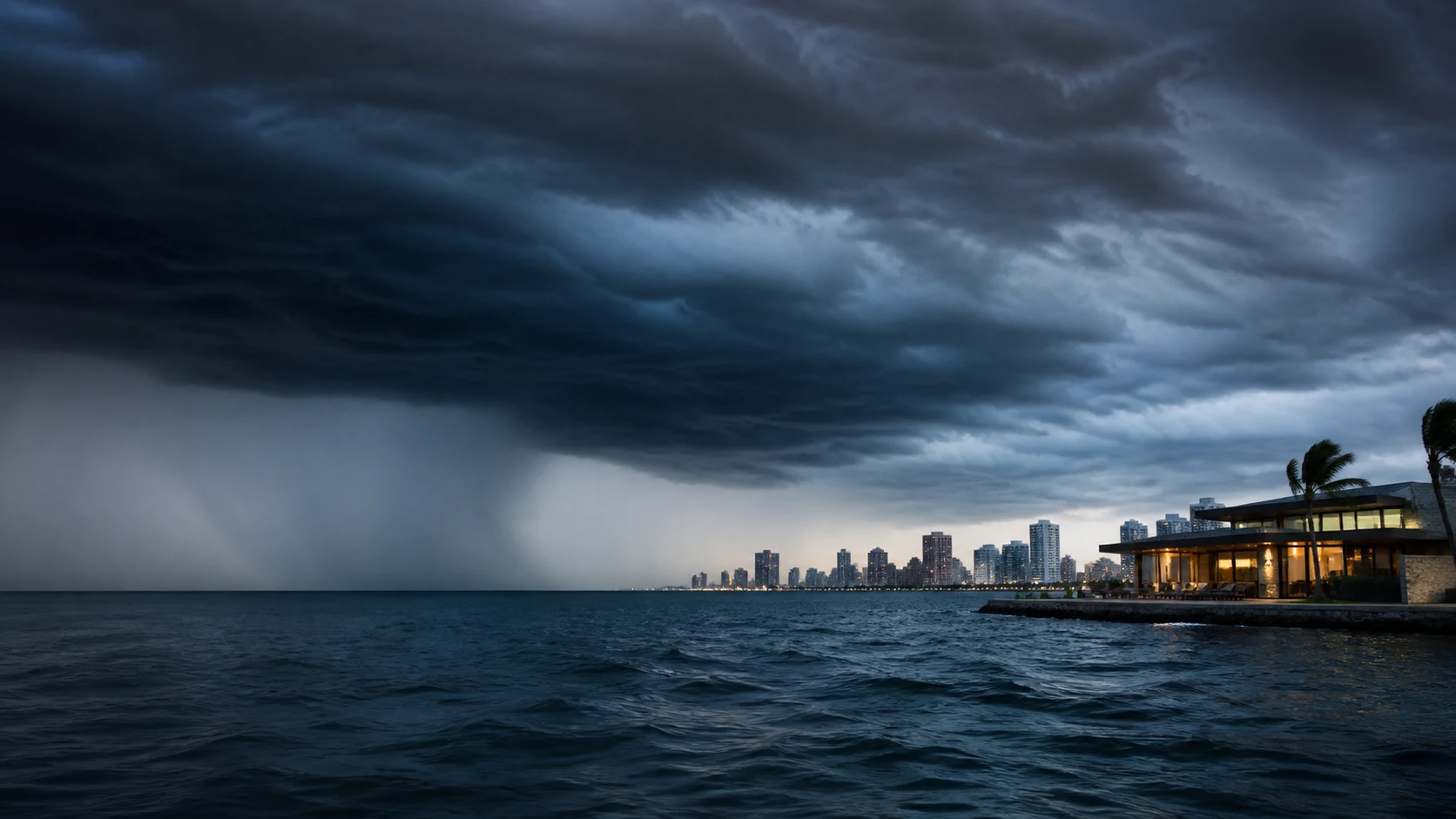
Revenue still lost.
Weather can affect your numbers long before it becomes a property claim.
01Revenue falls.
02Costs rise.
03Work stops.
How it works
An agreed measurement. A defined payment.
Weather-index protection connects payment to a measurement agreed before the risk period begins.
- 01
Define the exposure
Identify the location, dates and revenue or costs affected by weather.
Your business + your weather - 02
Set the terms
Agree the measurement, payment threshold and limit with the market.
Measurement + threshold + limit - 03
Measure the result
The insurer or counterparty pays according to the agreed terms when the trigger is met.
Recorded weather + contract terms
Built around your numbers. We compare your business records with weather history to shape the measurement, timing and payment amount.
Find your exposure
Which weather moves your business?
Start with the weather that affects your revenue, your costs or your ability to operate.
Rain risk
A wet weekend. An empty tee sheet.
Rain can cut event, visitor and outdoor-work revenue while staffing and operating costs continue.
A possible measurement
Rainfall during agreed hours or across a season
Where it can matter
Golf clubs · Outdoor events · Contractors
Explore rain riskSee it in practice
A tournament weekend.
A rainfall threshold.
A defined payment.
Explore a rain protection example for a club’s busiest weekend.
Try the rain exampleThe bigger picture
Another layer of protection.
Weather-index solutions can sit alongside your existing insurance.
| What changes | Property & business interruption insurance | Weather-index protection |
|---|---|---|
| What drives payment | A covered loss under the policy | An agreed weather measurement reaching its trigger |
| How the amount is set | The covered loss and policy limit | A payment schedule and limit agreed in advance |
| Where it can help | Covered damage and resulting business interruption | Weather-related financial exposure, including when nothing is damaged |
Insurance or a weather derivative?
Both connect payments to weather measurements. We compare the structures against your revenue, costs and seasonal plans.
Parametric insurance uses a policy with a defined weather trigger. A weather derivative uses a financial contract tied to an index such as seasonal snowfall or temperature. Pelorus helps you choose and arrange the structure that fits your business.
A few useful answers
Before we talk.
What is Pelorus’s role?
Pelorus is your adviser and broker. We help you understand your weather risk, compare options and put protection in place, with one team guiding the process from the first review through placement.
How do you choose the weather measurement?
We compare weather history with your revenue, costs and operating calendar. That helps us select the location, time window and measurement that reflect how weather affects your business.
When should we start?
Start ahead of the event or season you want to protect. That gives us time to review your records, compare structures and put the protection in place.
What determines the cost?
The location, dates, weather measurement, trigger and payment limit all matter. We use your exposure and relevant weather history to help evaluate available terms.
Your next step
Start with your business.
We’ll work through the weather.
Tell us where weather affects your numbers. We’ll help you understand the exposure and which options may fit.